WatchIQ
.jpg.jpg)
Junghans
Junghans Quartz Integrated Bracelet Vintage
Market Estimate
~$250
Specifications
Market Range
Junghans
Junghans Quartz Integrated Bracelet Vintage
Market Estimate ~ $250
Market Range
Specifications
Executive Overview
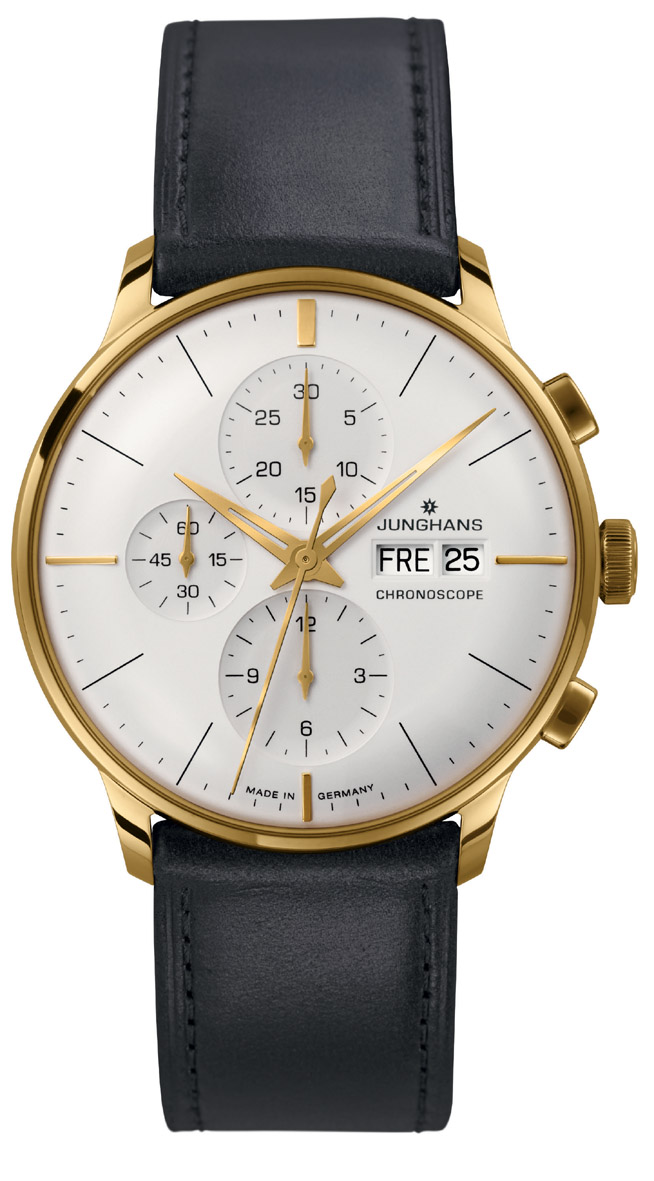
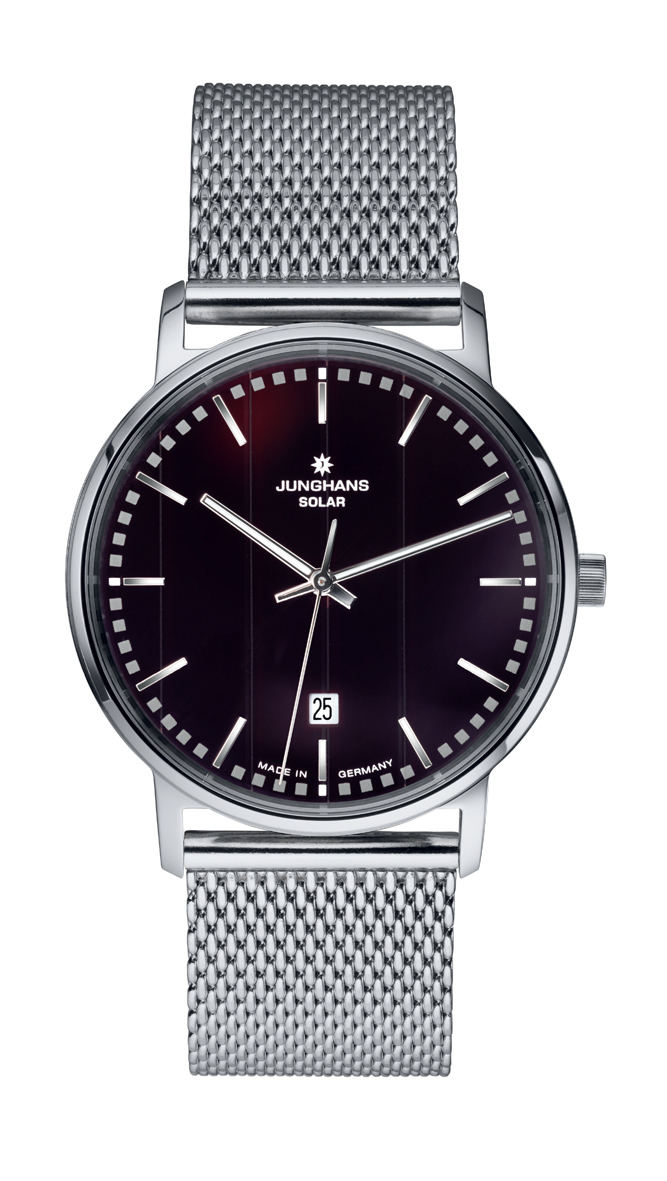
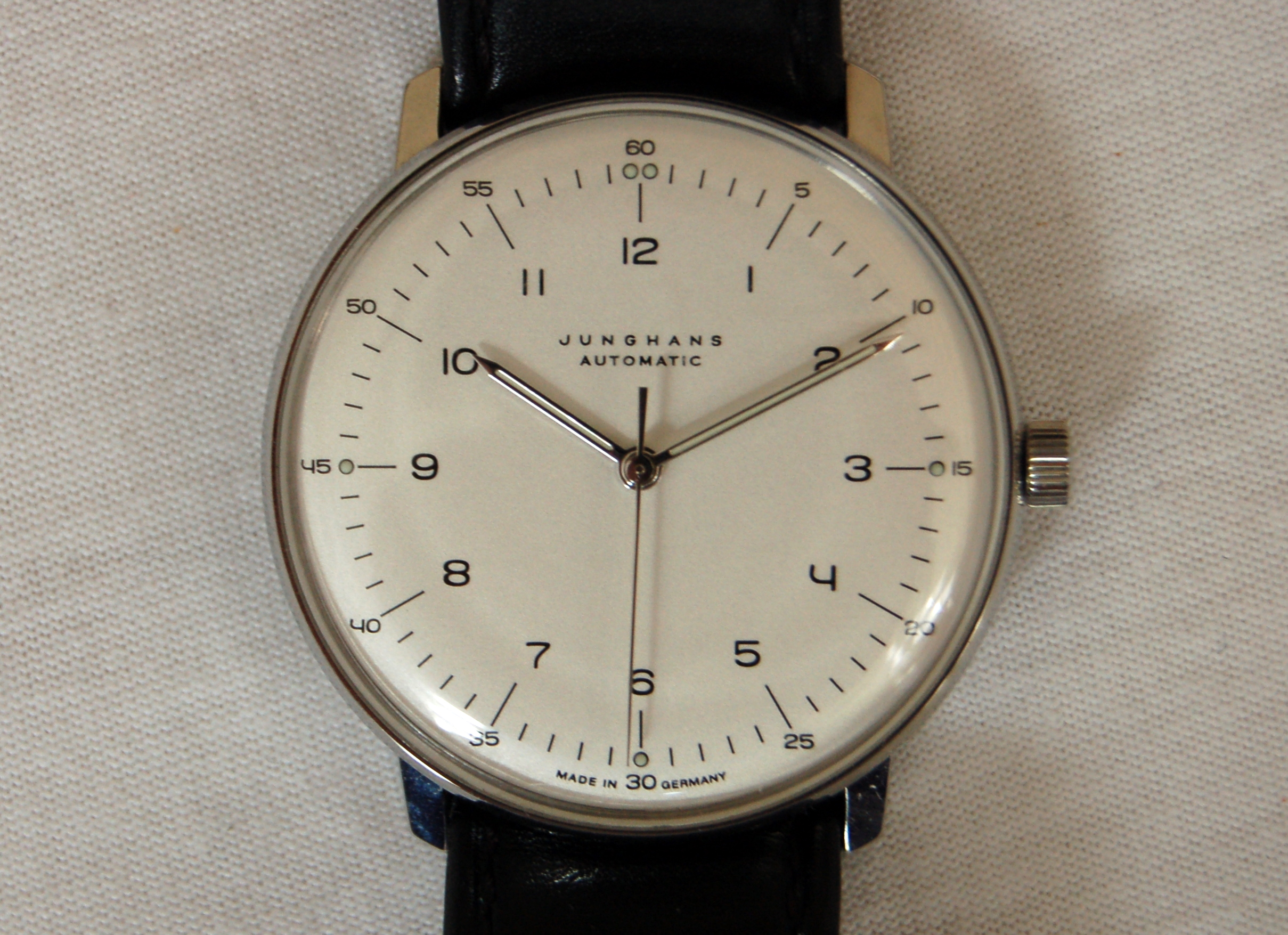
This Junghans Quartz timepiece represents a pivotal era in German horology, capturing the aesthetic transition of the early 1980s. Characterized by its angular, tonneau-shaped case and seamless integrated bracelet, this model reflects the industry-wide shift toward geometric designs and the reliability of quartz technology. While Junghans is today celebrated for its Bauhaus-inspired Max Bill collection, this specific model serves as a testament to the brand's versatility during the Quartz Crisis. It features a monochromatic silver-tone sunray dial that emphasizes legibility and industrial precision. The presence of the iconic Junghans eight-pointed star logo and the 'Made in Germany' signature at the six o'clock position reinforces the brand's heritage of domestic manufacturing. For collectors, this watch is a compelling entry-point into vintage German watchmaking, offering a design language that mirrors the high-end integrated sports watch trend popularized by Gérald Genta, but executed with the pragmatism and accessibility inherent to the Junghans brand identity. It is a piece that prioritizes form following function, maintaining a slim profile that fits comfortably under a shirt cuff while offering the ruggedness of a full steel construction.
Technical Architecture
The engineering of this Junghans model is centered around a robust stainless steel chassis designed for daily durability. The case utilizes a sharp, brushed finish on the flat surfaces with polished transitions, creating a play of light that enhances its architectural silhouette. The integrated bracelet is a standout feature, utilizing H-link construction that tapers toward the clasp, ensuring a cohesive aesthetic where the watch head and band function as a single sculptural unit. Under the hood, the watch is powered by a high-precision German quartz movement, likely from the Junghans 600 series or a contemporary ETA-based caliber, which provided the reliability required to compete with Japanese imports of the era. The dial is protected by a raised acrylic or mineral crystal, typical for the period, which adds a warm vintage distortion at the edges. The dial's layout is minimalist, featuring applied baton indices with tritium or early luminova pips and a framed date window at three o'clock. The case back is typically a snap-on or screw-down variety, providing basic water resistance suitable for light splashes, consistent with the lifestyle expectations of a 1980s dress-sport hybrid.
Historical Context
Junghans, founded in 1861 in Schramberg, Germany, has a long-standing reputation as one of the world's largest and most innovative clock and watch manufacturers. By the 1970s and 80s, Junghans was at the forefront of quartz development in Europe, having released the first German quartz wristwatch, the Astro-Quartz, in 1970. This specific model sits in the lineage of the brand's efforts to modernize its catalog in the wake of the electronic revolution. During this period, Junghans was moving away from traditional mechanical movements to embrace the accuracy and thinness made possible by quartz. The design language—sharp angles, integrated lugs, and a focus on steel—was a direct response to the 'Luxury Sport' trend established by the Royal Oak and Nautilus, adapted for a broader market. This era was critical for Junghans as it allowed the brand to survive the industry's structural changes before eventually pivoting back to its design roots in the 1990s and 2000s. It represents a bridge between the traditional craftsmanship of the Black Forest and the high-tech future of radio-controlled and solar-powered timekeeping for which the brand would later become famous.
Market Intelligence
From a market perspective, this vintage Junghans Quartz occupies a niche 'value-vintage' segment. While it does not command the high premiums of the brand’s mechanical chronographs or Max Bill editions, it benefits from the current 'Neo-Vintage' trend and the resurgence of integrated bracelet designs. Demand is driven primarily by collectors who appreciate German industrial design and those looking for an authentic 1980s aesthetic without the cost of Swiss equivalents. The secondary market for these pieces is relatively stable, with supply being moderate; they are not uncommon, but finding examples with well-preserved bracelets and unpolished cases is becoming increasingly difficult. The brand strength of Junghans remains high due to its historical significance and current market relevance, which provides a safety net for value retention. However, as a quartz piece, its appreciation potential is capped compared to mechanical counterparts. It is viewed as a 'lifestyle' vintage asset—highly wearable, easy to maintain, and possessing a clear historical identity that resonates with enthusiasts of European design history.
.JPG.JPG)