WatchIQ
Longines
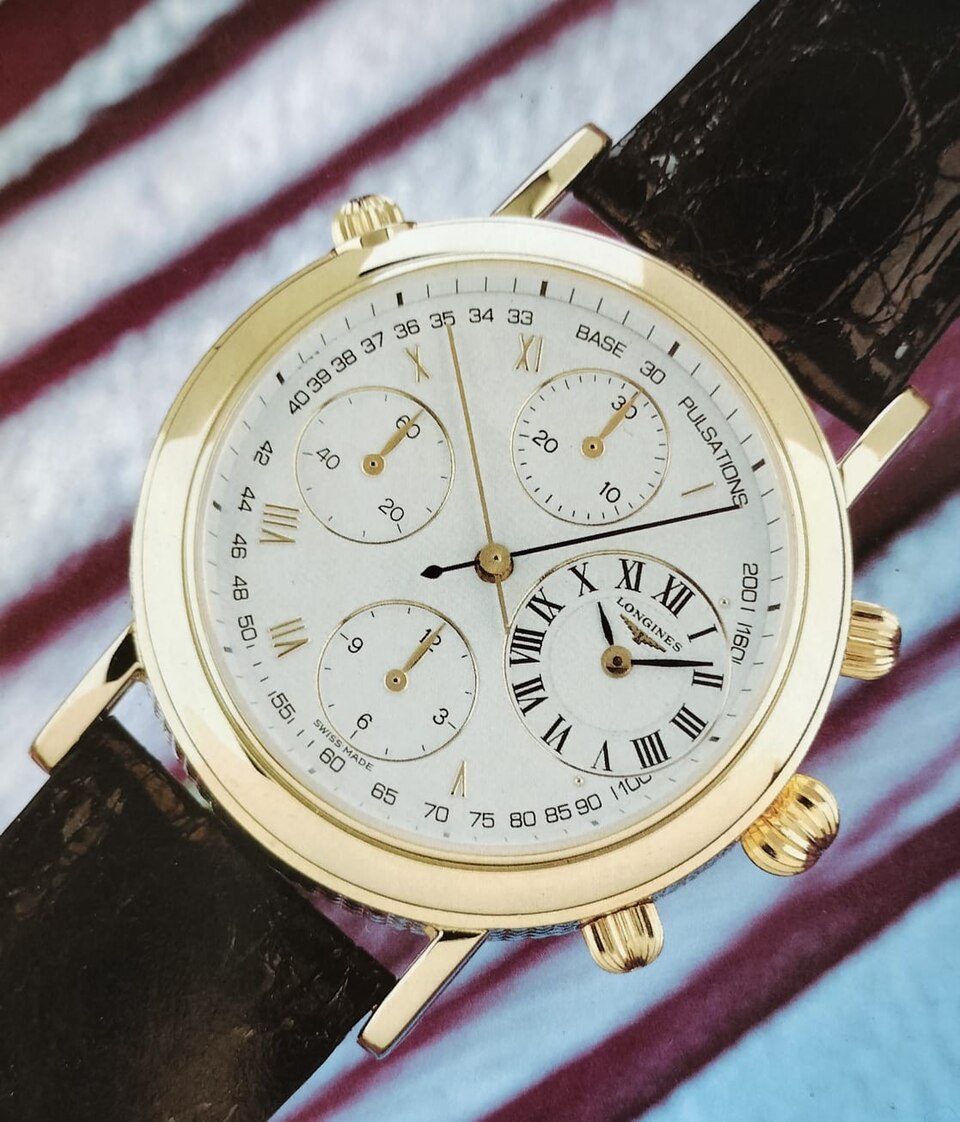
Longines Master Collection Pulsometer Chronograph 18k Gold
Market Estimate
~$4,500
Specifications
Market Range
Longines
Longines Master Collection Pulsometer Chronograph 18k Gold
Market Estimate ~ $4,500
Market Range
Specifications
Executive Overview
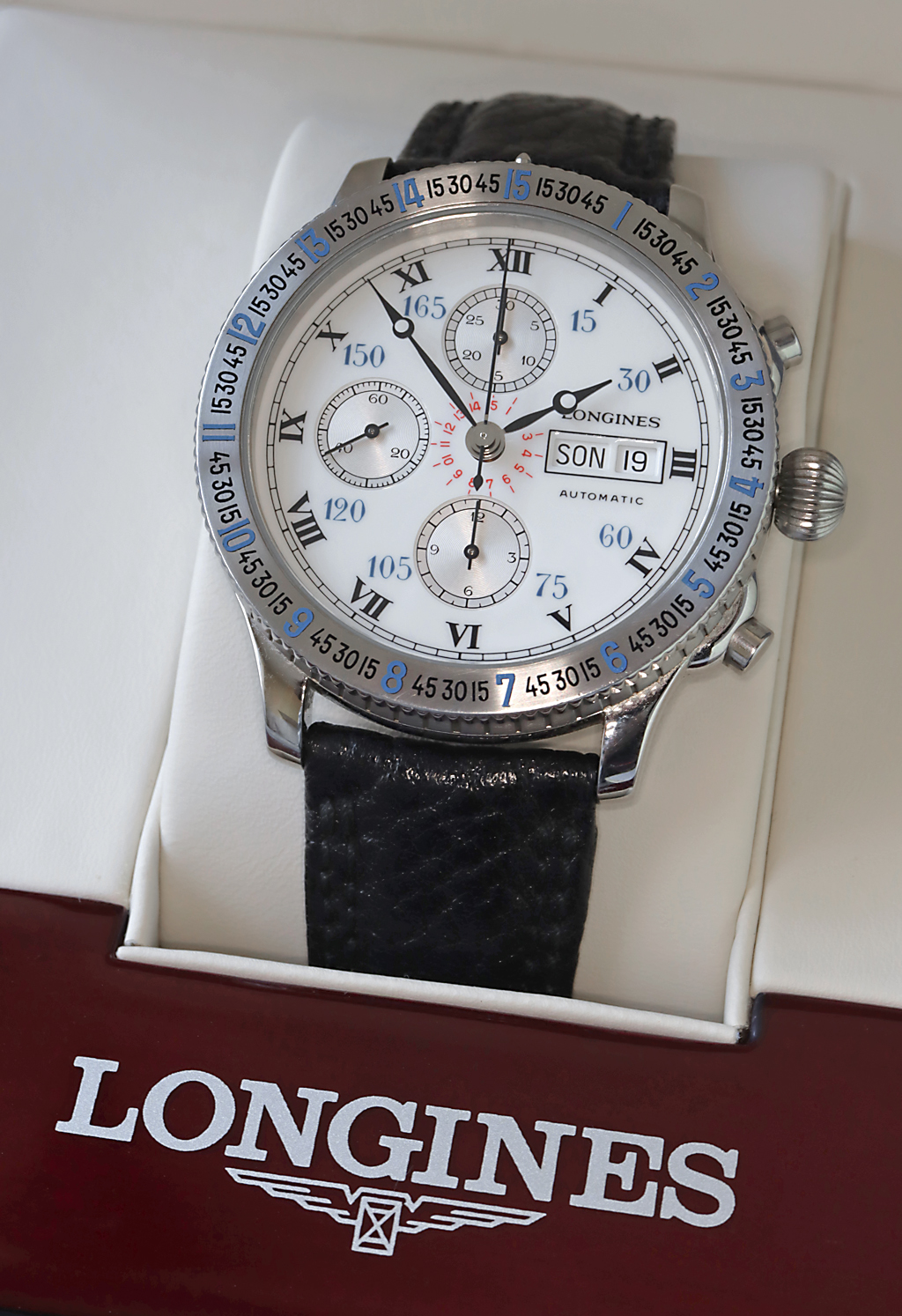
The Longines Master Collection Pulsometer Chronograph represents a sophisticated intersection of medical utility and high-end Swiss horology. This specific model, rendered in 18k yellow gold, is a tribute to the 'doctor’s watches' of the early 20th century. By integrating a pulsometric scale—calibrated for 30 pulsations—Longines provides a functional tool for medical professionals to quickly calculate a patient's heart rate. Beyond its utility, the watch serves as a flagship for the Master Collection, a line dedicated to traditional watchmaking values. The dial architecture is particularly complex, featuring a unique four-subdial layout that provides a comprehensive chronograph read-out alongside a dedicated timekeeping sub-dial at the 6 o'clock position. This aesthetic choice distinguishes it from standard tri-compax layouts, offering a more classical, instrument-like appearance. For the collector, this piece represents an era where Longines aggressively reclaimed its heritage, utilizing precious metals and specialized complications to bridge the gap between their entry-level luxury offerings and high-horology competitors. It is a watch that appeals to those who value historical context, specialized complications, and the undeniable warmth of solid gold construction.
Technical Architecture
At the heart of this timepiece is a highly modified automatic movement based on the reliable ETA/Valjoux architecture, specifically tuned for Longines to support the unique four-register layout. The 18k yellow gold case features a classic round profile with stepped lugs and a polished finish that emphasizes its dress-watch pedigree. The dial is a masterclass in legibility despite its complexity; it utilizes a silvered 'barleycorn' or matte texture with applied Roman numerals and gold-tone leaf hands. The pulsometer scale is printed on the outer flange, allowing the central chronograph seconds hand to indicate heart rate against a base of 30 beats. The case is equipped with an exhibition sapphire crystal caseback, revealing the perlage and Côtes de Genève finishing on the rotor and bridges. The chronograph operation is handled by traditional pump pushers, which provide a tactile, mechanical engagement. Water resistance is kept to a conservative 30 meters, as befitting a precious metal dress chronograph. The watch is typically paired with a genuine alligator leather strap and a matching 18k gold buckle, completing the executive profile.
Historical Context
Longines has a storied history of producing precision instruments for explorers, pilots, and medical professionals. The pulsometer complication gained prominence in the 1920s and 30s, a period when Longines was a dominant force in chronograph innovation. This modern iteration was introduced as part of the brand's efforts to revitalize its heritage through the Master Collection, which debuted in 2005. This specific reference sought to capture the elegance of mid-century watchmaking while utilizing modern manufacturing tolerances and movements. It replaced the more utilitarian steel chronographs in the catalog for those seeking a more prestigious, permanent investment. Historically, Longines chronographs from the mid-20th century, such as those powered by the legendary 13ZN and 30CH calibers, are among the most coveted by collectors. While this model utilizes a modern caliber, its design language is a direct descendant of those golden-age references, ensuring it remains an important piece of the brand's contemporary narrative and a bridge to its illustrious past in sports and scientific timing.
Market Intelligence
From an investment and market perspective, the 18k gold Longines Master Collection Pulsometer occupies a stable niche. While Longines is often viewed as a high-volume brand, their solid gold complications are produced in significantly lower quantities, lending them a degree of scarcity that stainless steel models lack. The secondary market for these pieces is characterized by low volatility; they tend to hold their value well due to the intrinsic melt value of the gold and the enduring appeal of the pulsometer complication. Demand is driven by a specific subset of collectors who appreciate 'doctor's watches' and those looking for a precious metal chronograph without the five-figure price tag associated with brands like Patek Philippe or Vacheron Constantin. Liquidity is moderate; while not as instantly tradable as a steel sports watch, there is a consistent global audience for gold Longines pieces. The brand's recent upward trajectory in prestige, fueled by high-quality heritage releases, provides a positive outlook for long-term value retention. Collectors should look for full-set examples with original documentation to maximize future appreciation.