
WatchIQ
PatekPhilippe
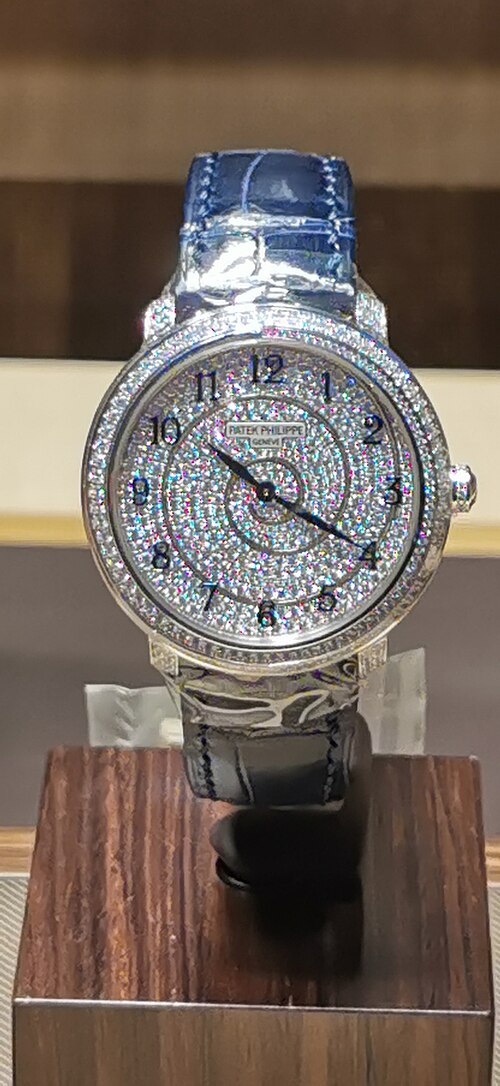
Patek Philippe Calatrava Diamond Ribbon Joaillerie 4978/400G
Market Estimate
~$210,000
Specifications
Market Range
PatekPhilippe
Patek Philippe Calatrava Diamond Ribbon Joaillerie 4978/400G
Market Estimate ~ $210,000
Market Range
Specifications
Executive Overview
The Patek Philippe Calatrava Diamond Ribbon Joaillerie, specifically the reference 4978/400G, represents the pinnacle of the manufacture's high-jewelry watchmaking. This timepiece is a masterful fusion of horological precision and the art of gem-setting, designed for a clientele that demands both mechanical integrity and uncompromising aesthetic brilliance. The 'Diamond Ribbon' nomenclature refers to the graceful, swirling pattern of diamonds that adorns the case and dial, creating a sense of fluid movement and light. Unlike many jewelry watches that prioritize form over function, this model houses a sophisticated self-winding movement, ensuring it remains a true watchmaker's watch. It exists as a testament to Patek Philippe's ability to dominate the 'Grand Feu' of jewelry timepieces, competing at the highest levels of the luxury market. Collectors value this specific reference for its larger, contemporary case size compared to its predecessors and its breathtaking 'spiral' diamond setting, which involves hundreds of Top Wesselton diamonds meticulously placed to create a seamless tapestry of brilliance. It is a statement piece that maintains the understated elegance inherent to the Calatrava lineage while pushing the boundaries of decorative arts.
Technical Architecture
The technical foundation of the 4978/400G is the ultra-thin self-winding Caliber 240, a movement celebrated for its reliability and slim profile, made possible by an off-center 22k gold micro-rotor. This engineering choice allows the watch to maintain a slender silhouette despite the significant depth required for high-level gem setting. The case is crafted from 18k white gold and serves as the canvas for a staggering 770 diamonds (approx. 4.4 carats). The dial features a unique spiral arrangement of diamonds of varying sizes, which requires immense skill to align perfectly with the blued gold applied Arabic numerals and leaf-shaped hands. The bezel and lugs are similarly encrusted, utilizing a grain setting technique that minimizes the visibility of the metal, allowing the stones to take center stage. Protection is provided by a scratch-resistant sapphire crystal, and the movement is visible through a sapphire crystal case back, displaying the Patek Philippe Seal—a guarantee of the highest standards in finishing and chronometric performance. The watch is paired with a hand-stitched alligator strap with square scales, secured by a diamond-set prong buckle, ensuring the jewelry theme is consistent throughout the entire ensemble.
Historical Context
The Calatrava collection has been the cornerstone of Patek Philippe’s identity since 1932, known for its Bauhaus-inspired purity. The Diamond Ribbon series was introduced in 2012 as a more feminine, artistic interpretation of this classic round silhouette. The 4978/400G, introduced later in the decade, represented a significant evolution in scale and gem-density. It replaced the smaller 33mm variants, moving to a more presence-heavy 36.5mm diameter to accommodate modern tastes and more intricate setting patterns. Historically, Patek Philippe has always maintained a specialized 'Haut Joaillerie' department, and this model is a direct descendant of the brand's tradition of creating 'complication-level' jewelry pieces for royalty and high society. By integrating the legendary Caliber 240—a movement that has powered Patek's most iconic slim watches since 1977—into a fully set jewelry case, the brand bridged the gap between their technical heritage and their decorative expertise. It stands as a modern icon of the brand’s commitment to 'Metiers d'Art,' ensuring that the tradition of hand-setting stones remains a vital part of Geneva's watchmaking culture.
Market Intelligence
From an investment and market perspective, the Patek Philippe 4978/400G occupies a niche but high-demand segment of the secondary market. High-jewelry pieces from Patek Philippe typically enjoy much higher value retention than their counterparts from pure jewelry houses, primarily due to the brand's prestige and the mechanical value of the movement inside. Demand for this model is driven by ultra-high-net-worth individuals and serious collectors who view jewelry watches as a diversified asset class. While the liquidity for a $200,000+ ladies' jewelry watch is naturally lower than that of a steel Nautilus, the rarity of the 4978/400G ensures that supply remains extremely limited. Secondary market prices tend to stay close to or slightly below retail, provided the provenance and condition are impeccable. The 'Diamond Ribbon' series has shown a stable price floor, as the intrinsic value of the gold and high-grade diamonds provides a safety net, while the Patek Philippe name provides the speculative upside. Long-term, these pieces are often viewed as 'heirloom' assets, frequently appearing at major auction houses like Christie’s or Sotheby’s, where they consistently perform well against their estimates.
More from PatekPhilippe
View all →.jpg.jpg)
Patek Philippe Complications Annual Calendar 4947R-001
$44,200 - $59,800
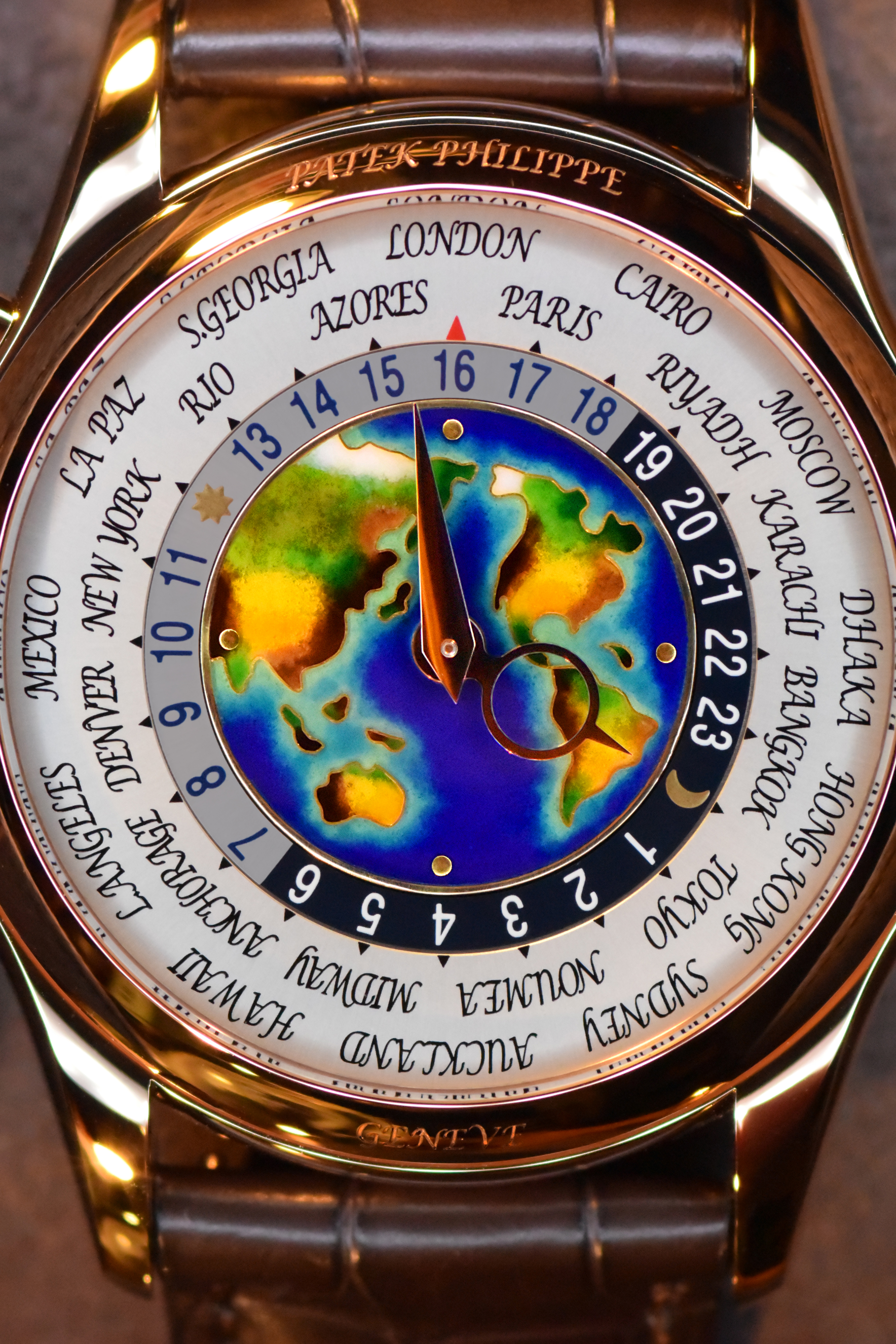
Patek Philippe Complications World Time Cloisonné Enamel 5131J-001
$106,250 - $143,750
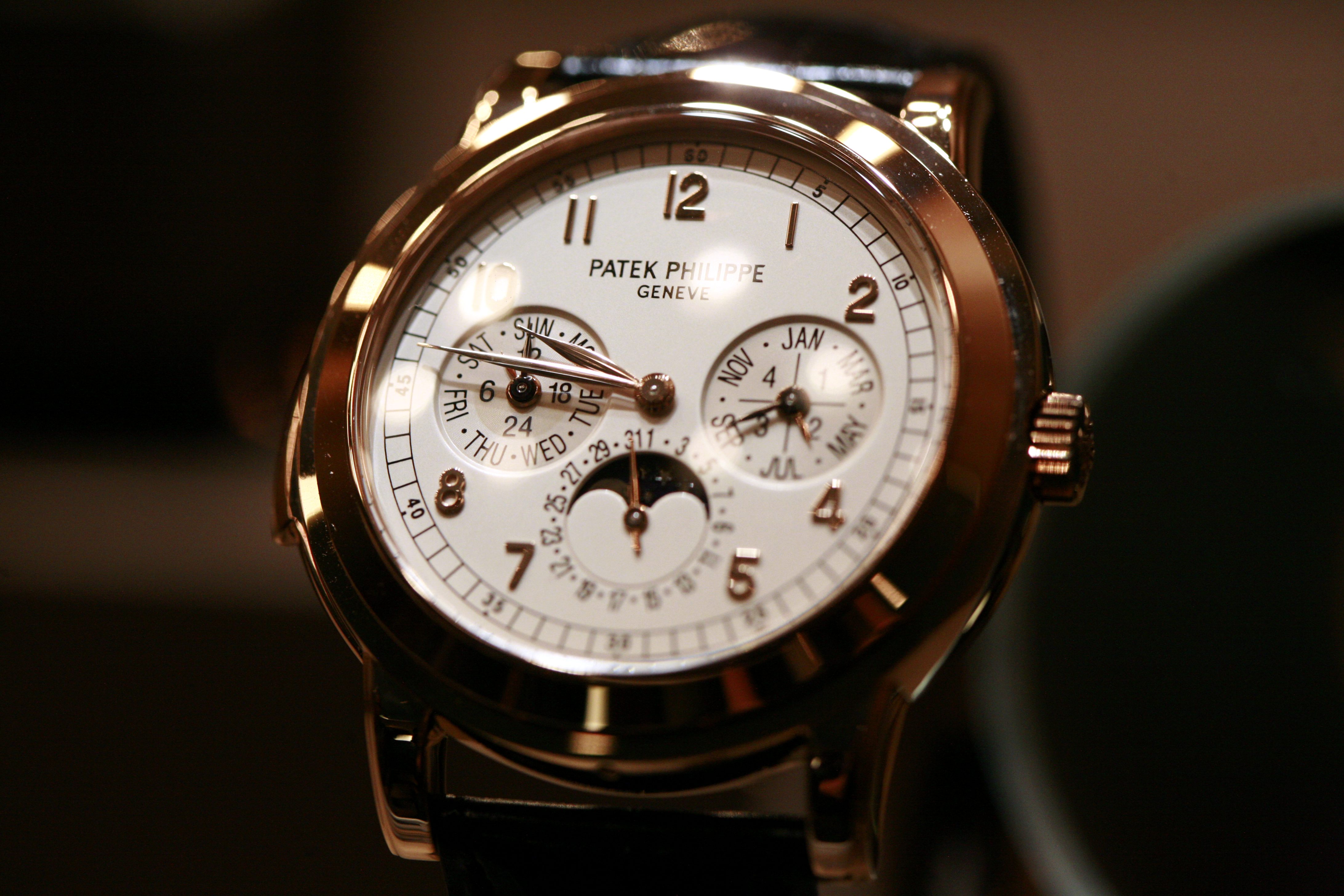
Patek Philippe Grand Complications Perpetual Calendar 5139R-001
$46,750 - $63,250
.jpg.jpg)
Patek Philippe Grand Complications Perpetual Calendar 5327R-001
$78,625 - $106,375