
WatchIQ
PatekPhilippe
Patek Philippe Grand Complications Perpetual Calendar 5139R-001
Market Estimate
~$55,000
Specifications
Market Range
PatekPhilippe
Patek Philippe Grand Complications Perpetual Calendar 5139R-001
Market Estimate ~ $55,000
Market Range
Specifications
Executive Overview
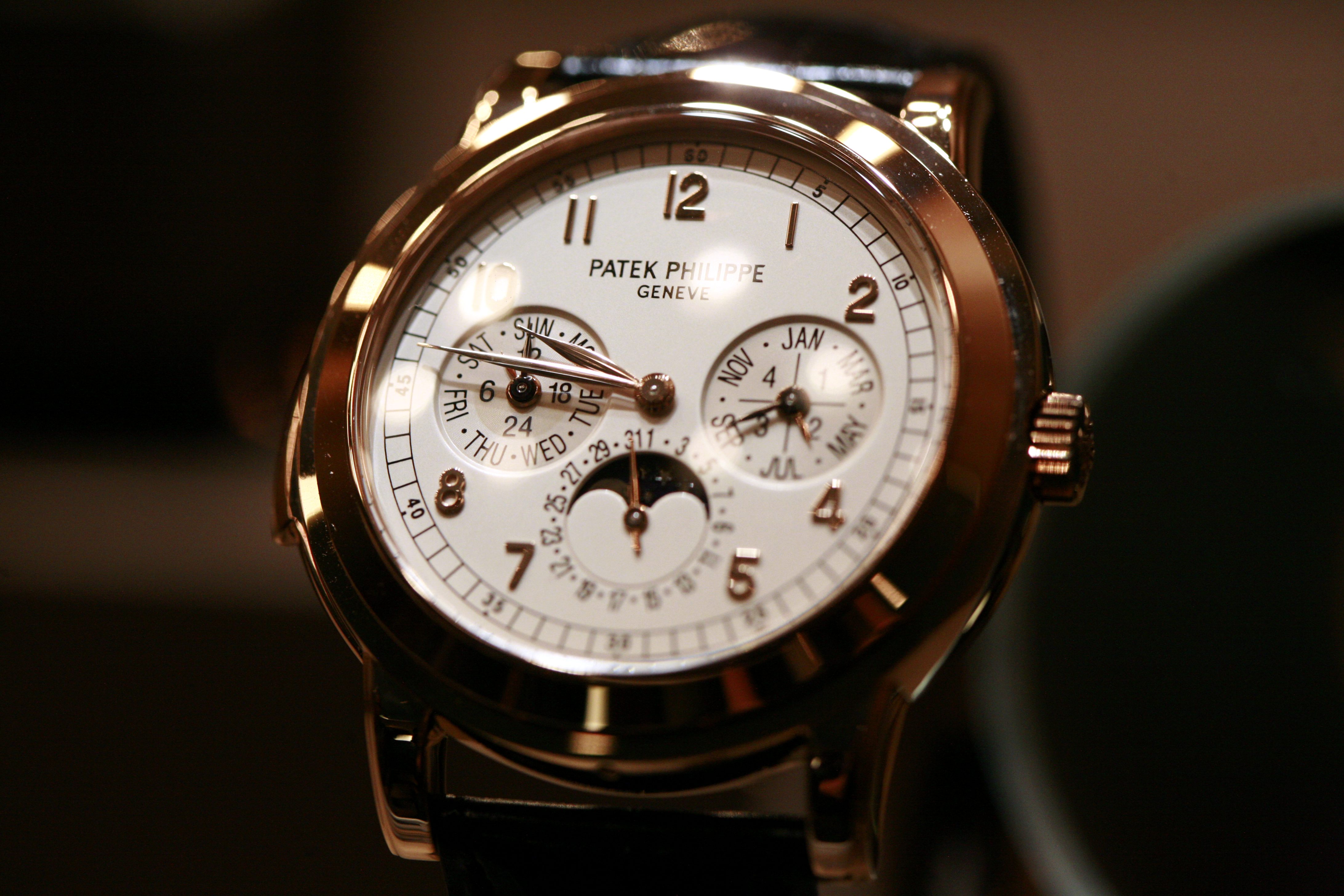
The Patek Philippe Reference 5139R is a masterclass in horological elegance, representing the pinnacle of the manufacture's perpetual calendar lineage. Defined by its signature Clous de Paris, or hobnail, guilloché bezel, the 5139R offers a more assertive and textured aesthetic compared to its smoother-bezel siblings. This specific model exists as a bridge between traditional high-complication watchmaking and modern luxury design, utilizing a slender profile that belies the complexity within. Collectors prize the 5139R for its distinctive bezel, which captures light in a way that emphasizes the warmth of the 18k rose gold case. Unlike many bulky modern complications, the 5139R maintains a refined 38mm diameter, ensuring it remains a quintessential dress watch for the most formal occasions. It features an opaline-white dial with applied Breguet numerals, a design choice that offers superior legibility while nodding to the brand's 19th-century heritage. For the serious investor, the 5139R represents a stable entry into the world of Patek Philippe Grand Complications, offering a mechanical sophistication that few other brands can replicate at this scale of thinness and finishing.
Technical Architecture
At the heart of the 5139R lies the legendary Caliber 240 Q, an ultra-thin self-winding movement that has served as the backbone of Patek Philippe’s perpetual calendar collection for decades. The movement achieves its slimness through the use of a 22k gold micro-rotor recessed into the main plate, allowing the entire watch to maintain a thickness of approximately 9mm. The perpetual calendar mechanism is mechanically programmed to account for months of varying lengths and leap years until the year 2100, assuming the watch is kept wound. The dial architecture displays the day and 24-hour indicator at 9 o'clock, the month and leap year cycle at 3 o'clock, and the date and moon phase at 6 o'clock. The case is meticulously crafted from 18k rose gold, featuring the iconic hobnail bezel that is hand-finished to ensure sharp, reflective facets. The watch is protected by a scratch-resistant sapphire crystal and typically features an exhibition caseback to showcase the exquisite finishing of the movement, which includes Geneva stripes, perlage, and the Patek Philippe Seal. Water resistance is rated to 30 meters, appropriate for a high-complication dress piece.
Historical Context
The Reference 5139 was introduced in 2008 as the successor to the highly acclaimed Reference 3940 and the larger Reference 5140. While the 5140 focused on a smooth bezel design, the 5139 revived the textured hobnail aesthetic that became a brand signature with the Calatrava 3119 and the earlier perpetual calendar 5039. This specific rose gold iteration, the 5139R, appeared later in the production cycle, offering a contemporary alternative to the white gold launch model. Historically, Patek Philippe's perpetual calendars have defined the brand's dominance in the market; they were the first to serially produce perpetual calendar wristwatches in the 1940s. The 5139R serves as a tribute to this legacy, utilizing the Caliber 240 Q which was first introduced in 1985 and remains one of the most respected movements in the industry. By combining the classic Breguet numerals with the hobnail bezel, Patek Philippe created a model that feels both archival and avant-garde, securing its place in the timeline of great Swiss complications before it was eventually succeeded by newer references like the 5327.
Market Intelligence
The market for the Patek Philippe 5139R is characterized by steady demand and high value retention, typical of the brand's Grand Complications. While the 'Nautilus' and 'Aquanaut' lines experience extreme volatility and speculative bubbles, the perpetual calendar segment remains the 'blue chip' core of any serious horological portfolio. The 5139R specifically benefits from its lower production numbers compared to the smooth-bezel 5140, making it a more 'insider' choice for collectors who appreciate the Clous de Paris finish. On the secondary market, this model typically trades with high liquidity, as it is a recognized staple of the brand's modern era. Supply is naturally constrained by the technical difficulty of producing the Caliber 240 Q and the hand-finishing required for the bezel. Long-term value is bolstered by Patek Philippe's commitment to servicing every watch they have ever made, ensuring that a 5139R will remain a functional heirloom for generations. As an asset, it provides a hedge against inflation and currency fluctuations, often outperforming traditional equity markets over long horizons due to its physical scarcity and the prestige of the Patek Philippe name.
More from PatekPhilippe
View all →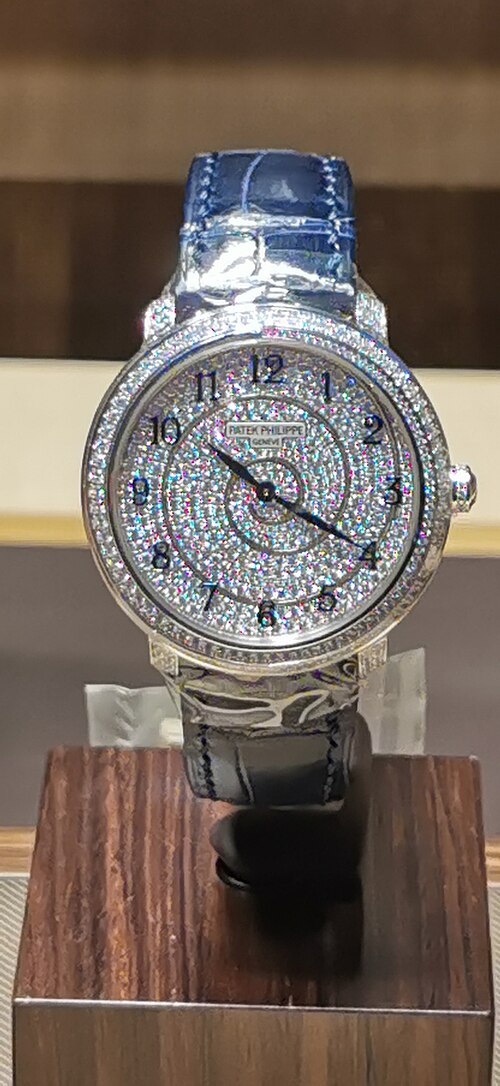
Patek Philippe Calatrava Diamond Ribbon Joaillerie 4978/400G
$178,500 - $241,500
.jpg.jpg)
Patek Philippe Complications Annual Calendar 4947R-001
$44,200 - $59,800
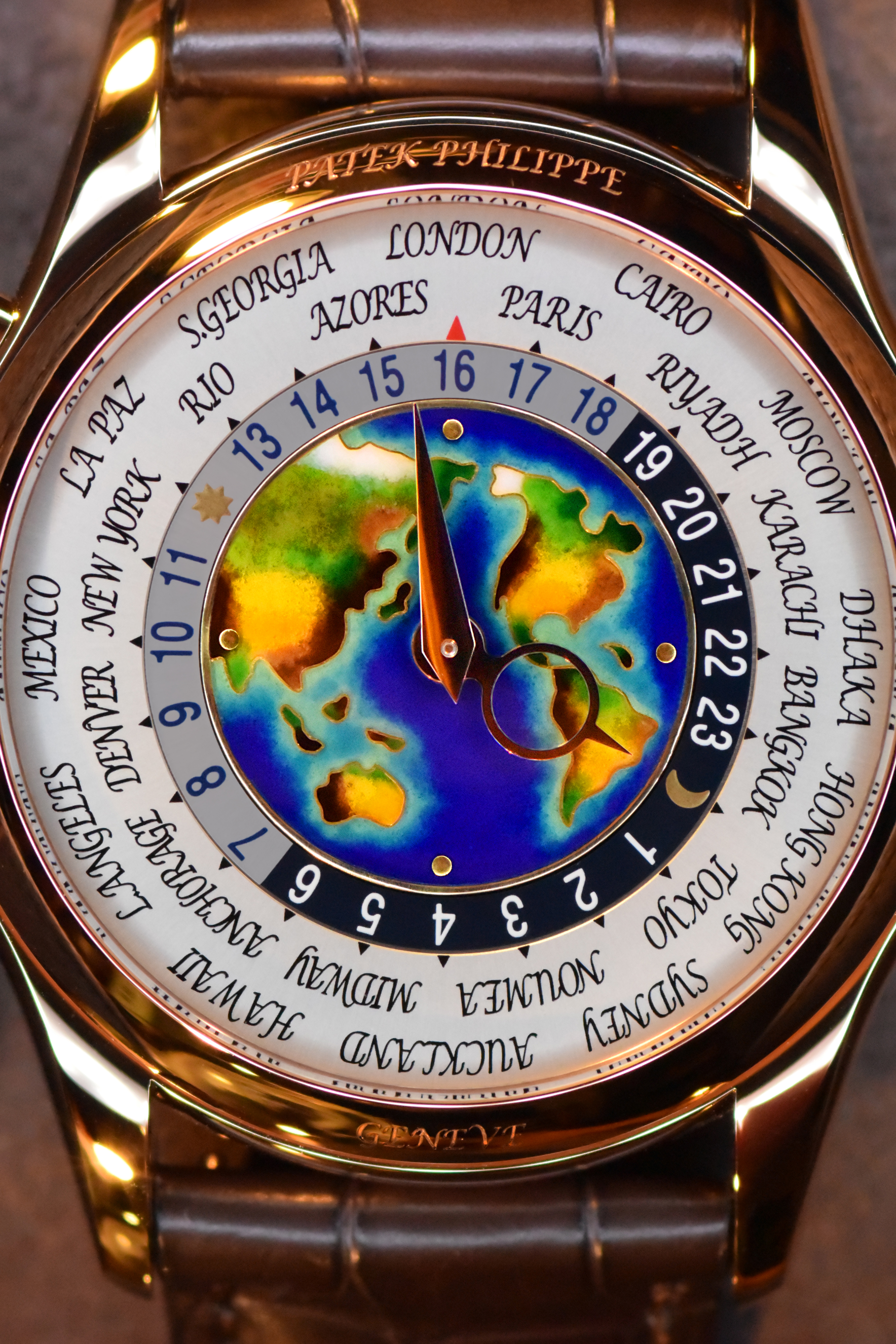
Patek Philippe Complications World Time Cloisonné Enamel 5131J-001
$106,250 - $143,750
.jpg.jpg)
Patek Philippe Grand Complications Perpetual Calendar 5327R-001
$78,625 - $106,375