WatchIQ
Tissot
Tissot Antimagnetique Small Seconds Vintage
Market Estimate
~$450
Specifications
Market Range
Tissot
Tissot Antimagnetique Small Seconds Vintage
Market Estimate ~ $450
Market Range
Specifications
Executive Overview
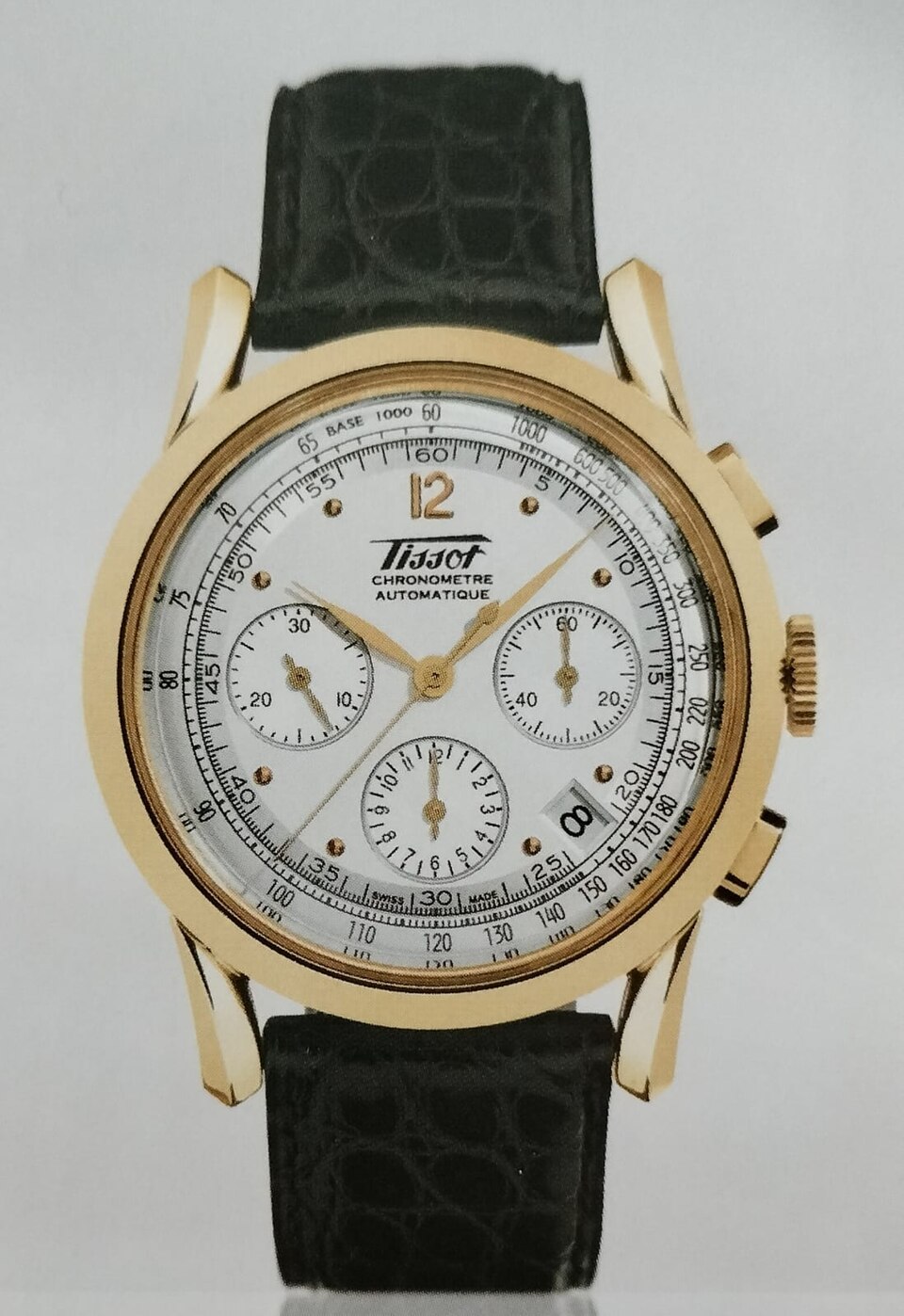
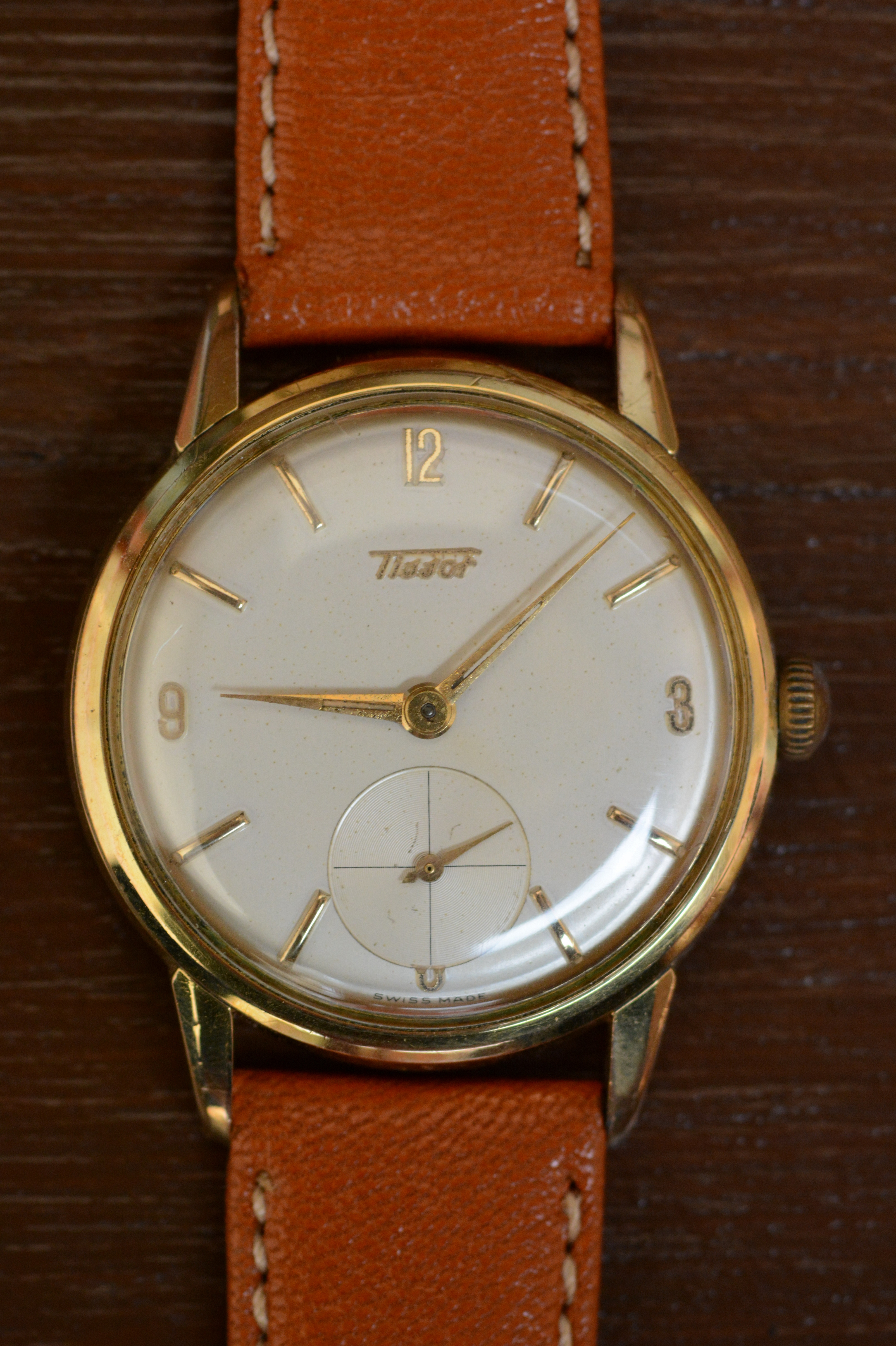
The Tissot Antimagnetique represents a pivotal era in mid-century horology, serving as a testament to the brand's commitment to precision and technical innovation during the 1950s. This specific model, characterized by its elegant small seconds sub-dial at the 6 o'clock position and a refined cream-toned dial, exemplifies the 'Golden Age' of dress watches. At the time of its release, the 'Antimagnetique' designation was a significant technical marketing point, signaling to the wearer that the timepiece could withstand the increasing presence of magnetic fields in the modernizing home and workplace. Collectors are drawn to this model for its pure, uncluttered aesthetic and its historical connection to the era when Tissot and Omega shared technical resources under the SSIH umbrella. The watch features the iconic vintage Tissot script and a balanced 12-3-9 Arabic numeral layout interspersed with applied baton markers. Its existence serves as a bridge between the utilitarian tool watches of the war era and the luxury dress pieces that would define the late 20th century. For the discerning enthusiast, this model offers an accessible entry point into high-quality vintage Swiss watchmaking, providing a level of charm and character that modern re-issues often struggle to replicate.
Technical Architecture
The architectural foundation of this Tissot is centered around a robust manual-winding movement, likely from the caliber 27 series, which was a workhorse for the brand during this decade. The 27mm movement architecture is celebrated for its serviceability and longevity, featuring a traditional Swiss lever escapement and a frequency of 18,000 vibrations per hour. The case construction utilizes a gold-plated mid-case with a stainless steel snap-on case back, a common practice of the era to balance luxury aesthetics with durability. The dial is protected by a high-domed acrylic crystal, which provides the characteristic 'warmth' and distortion at the edges that vintage collectors prize. Engineering-wise, the 'Antimagnetique' property was achieved through the use of non-ferrous alloys for the balance spring and escapement components, a critical advancement for maintaining timekeeping accuracy. The small seconds sub-dial is recessed with a subtle concentric guilloché pattern, providing a textural contrast to the matte finish of the main dial. The lugs are gracefully tapered, designed to sit flush against the wrist, while the crown is appropriately sized for daily winding, reflecting the tactile nature of mid-century horology.
Historical Context
Introduced during the post-war expansion of the 1950s, the Tissot Antimagnetique was a cornerstone of the brand's catalog. This period was marked by the strategic partnership between Tissot and Omega, known as the Société Suisse pour l'Industrie Horlogère (SSIH). This alliance allowed Tissot to utilize high-grade movements and manufacturing techniques that rivaled more expensive competitors. The Antimagnetique line was one of the first mass-produced collections to prioritize magnetic resistance as a standard feature, responding to the proliferation of electronic devices. Historically, this model sits in the timeline just before the arrival of the Visodate, which added a date complication, and the Seastar, which focused on water resistance. It reflects a time when Tissot was positioned as a high-quality manufacturer of precision instruments for the professional class. The use of the vintage 'serif' logo seen on the dial is a hallmark of this specific generation, predating the more modernized, blocky branding that Tissot adopted in subsequent decades. As such, it remains a pure expression of the brand's mid-century design language.
Market Intelligence
From a market intelligence perspective, the vintage Tissot Antimagnetique occupies a stable niche within the secondary market. While it does not command the astronomical prices of its contemporary Omega counterparts, it benefits from a strong 'halo effect' due to the shared history of the two brands. Demand is consistently driven by entry-level vintage collectors and enthusiasts who value the 1950s aesthetic over modern bulk. Supply is relatively healthy, though finding examples with original, non-refinished dials and minimal plating wear is becoming increasingly difficult. The secondary market behavior shows a steady appreciation for 'honest' pieces that exhibit a light patina, as seen in this example. Value retention is high for well-maintained specimens, as the cost of entry is low compared to the historical importance of the movement. Investors should note that while liquidity is moderate, the watch serves as a reliable asset for those looking to diversify a collection with historically significant Swiss pieces. The long-term outlook remains positive as younger collectors continue to move away from oversized modern watches in favor of the 33mm to 35mm classic proportions found in this model.