WatchIQ
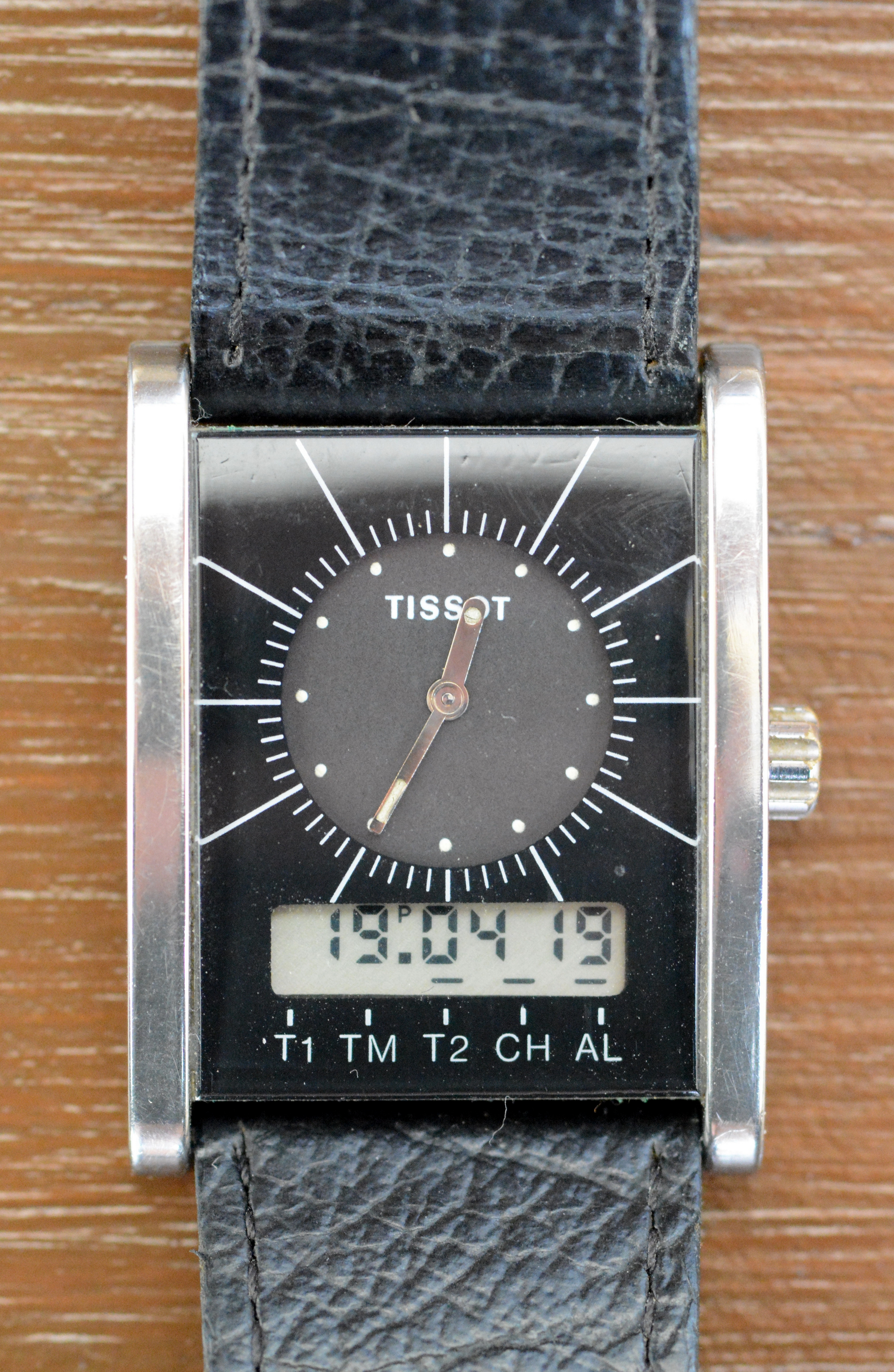
Tissot
Tissot TXL Digital-Analog (T60.1.581.52)
Market Estimate
~$275
Specifications
Market Range
Tissot
Tissot TXL Digital-Analog (T60.1.581.52)
Market Estimate ~ $275
Market Range
Specifications
Executive Overview
The Tissot TXL Digital-Analog represents a fascinating intersection of Swiss horological tradition and the high-tech functionalism of the early 2000s. As part of Tissot's T-Trend collection, the TXL series was designed to offer a sophisticated, architectural alternative to standard round watches. This specific model utilizes an ana-digi configuration, which provides the wearer with the classic aesthetic of two-hand analog timekeeping combined with the precision and utility of a multi-function liquid crystal display (LCD). Collectors and enthusiasts appreciate the TXL for its 'Neo-Art Deco' influence, characterized by its rectangular tank-style case and integrated lines that flow seamlessly into the strap. It exists as a testament to a period when Tissot was aggressively experimenting with tactile technology and hybrid displays, bridging the gap between their entry-level quartz offerings and their more advanced T-Touch family. While it is not a high-complication mechanical piece, its appeal lies in its distinct geometry, the reliability of its Swiss movement, and its representation of a specific era in Tissot's design evolution. It serves as an accessible entry point for those seeking a vintage-modern aesthetic that feels both professional and technologically capable.
Technical Architecture
Engineered with a focus on geometric precision, the Tissot TXL features a high-grade 316L stainless steel case with a polished finish. The rectangular 'tank' architecture is defined by its vertical brancards that protect the crown and provide a streamlined profile. At its heart lies the Swiss-made ETA E03.001 quartz movement, a specialized caliber designed to synchronize analog hands with a digital display. The dial is protected by a scratch-resistant sapphire crystal, which is slightly curved to follow the contour of the case and wrist. The display layout is meticulously organized: the upper portion features a circular analog track with minimalist stick indices, while the lower segment houses the LCD window. This digital component provides a suite of complications including a second time zone (T2), chronograph (CH), alarm (AL), and a perpetual calendar. The integration of these features is managed via the crown, which acts as a selector for the various modes indicated by the abbreviations at the bottom of the dial. Water resistance is typically rated at 30 meters (3 ATM), sufficient for daily splashes but emphasizing its role as a dress-utility timepiece rather than a sports instrument. The watch is paired with a textured leather strap that matches the width of the lugs, maintaining the rectangular silhouette.
Historical Context
The TXL series was introduced at a time when the Swatch Group was positioning Tissot as the 'innovator by tradition.' Launched in the late 1990s and reaching peak popularity in the mid-2000s, the TXL was part of a broader movement to modernize the rectangular watch category, which had been dominated by the Cartier Tank and Jaeger-LeCoultre Reverso. Tissot’s contribution was to add a layer of digital utility to this classic form factor. Historically, this model preceded the full-scale adoption of the T-Touch tactile technology, serving as a stylistic precursor that proved there was a market for high-design Swiss watches with digital hearts. It reflects the industry's recovery from the quartz crisis into an era where quartz was no longer just a cheap alternative, but a platform for multi-functional elegance. The TXL helped solidify Tissot's reputation for producing 'accessible luxury'—watches that felt significantly more expensive than their retail price due to high-quality finishing and Swiss provenance. Today, it is viewed as a modern classic within the Tissot archive, representing the brand's ability to adapt to changing consumer tastes while maintaining a cohesive design language.
Market Intelligence
From an investment and market perspective, the Tissot TXL Digital-Analog is classified as a 'Value-Driven Modern Vintage' asset. It does not command the explosive premiums seen in mechanical sports watches, but it maintains a steady demand on the secondary market due to its unique aesthetic and Swiss reliability. Supply is relatively stable as these were produced in significant numbers, yet finding examples in pristine condition with functioning LCD segments is becoming increasingly difficult, which may drive modest appreciation over time. The liquidity for this model is high within the sub-$500 category, as it appeals to a wide demographic ranging from young professionals to seasoned collectors looking for a reliable 'grab-and-go' dress watch. Brand strength for Tissot remains robust, providing a safety net for value retention. Unlike many fashion-brand quartz watches of the same era, the TXL benefits from being a 'true' watchmaker's product with a repairable Swiss movement. For collectors, the TXL is a low-risk acquisition that offers high 'perceived value' and historical interest without the volatility associated with high-speculation luxury brands.