WatchIQ
Zenith
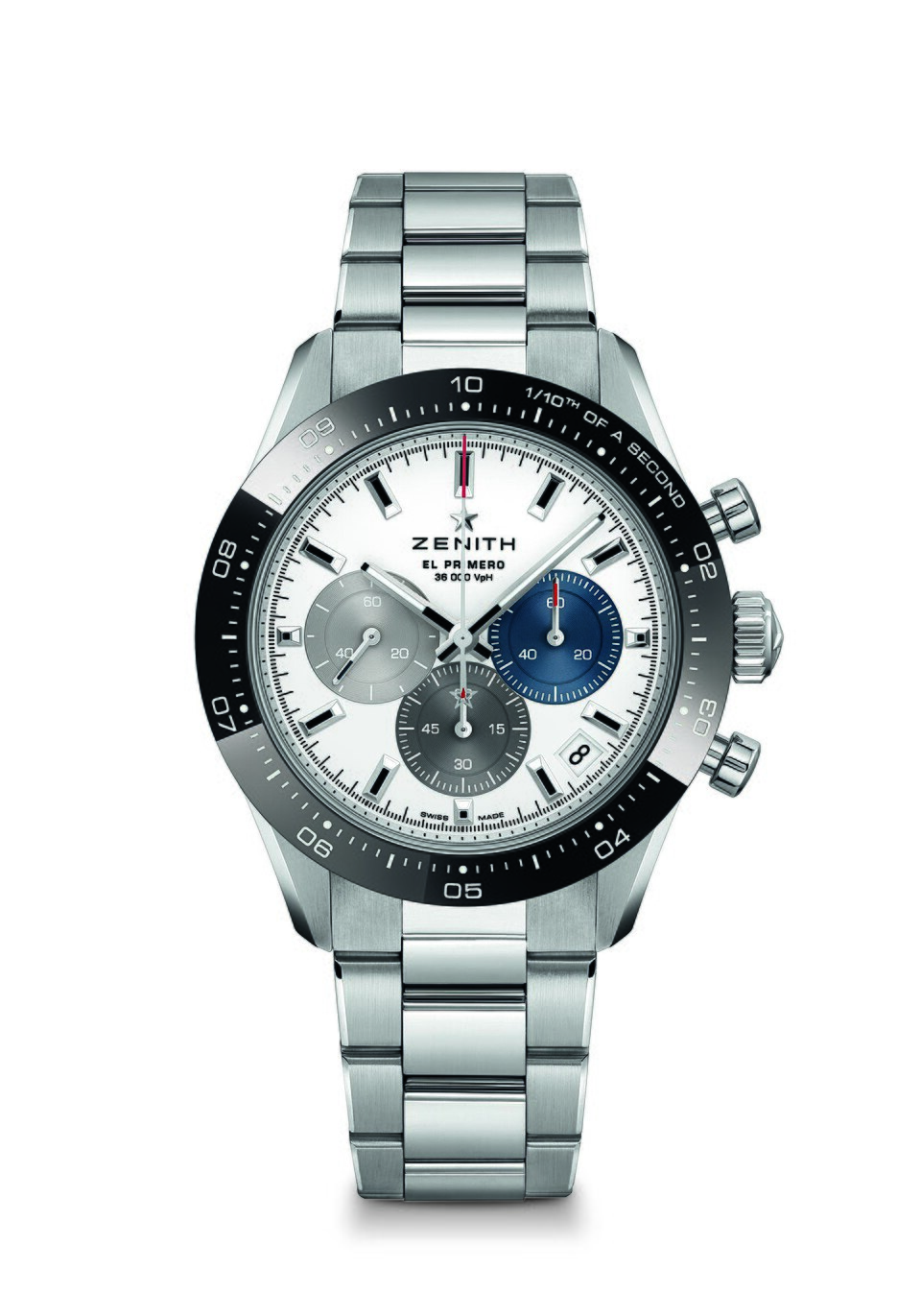
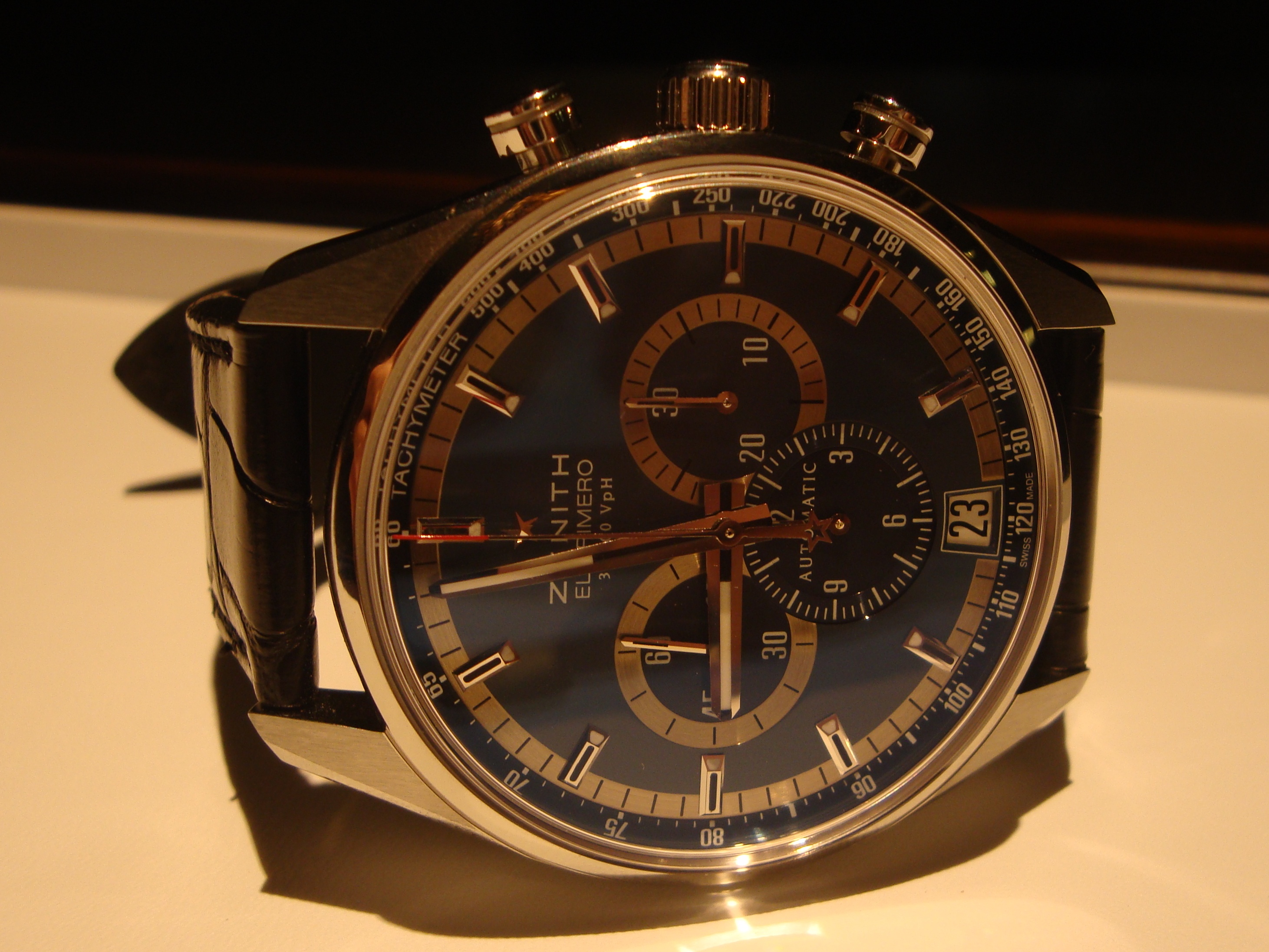
Zenith El Primero 36,000 VpH Classic (Reference 03.2040.400/51.C496)
Market Estimate
~$5,800
Specifications
Market Range
Zenith
Zenith El Primero 36,000 VpH Classic (Reference 03.2040.400/51.C496)
Market Estimate ~ $5,800
Market Range
Specifications
Executive Overview
The Zenith El Primero 36,000 VpH is a cornerstone of contemporary horology, representing the evolution of the world's most famous high-frequency chronograph movement. This specific iteration, featuring a deep sunray blue dial with contrasting silver-toned sub-dials, encapsulates the brand's transition from purely vintage-inspired designs to a modern, sophisticated aesthetic. Collectors value this model for its unique balance of professional-grade timing capabilities and luxury dress-watch refinement. Unlike the more common tri-color overlapping dials, this sunburst blue configuration offers a cleaner, more symmetrical layout that emphasizes the depth and finish of the dial work. It exists as a bridge between Zenith's storied past and its future, utilizing the legendary caliber 400 while housing it in a modern 42mm case that meets the demands of 21st-century wrist presence. For the serious enthusiast, this model is prized for its 'high-beat' sweep, a visual testament to the 5Hz frequency that allows for 1/10th of a second measurement, a feat that remains a benchmark in mechanical watchmaking. Its inclusion in a collection signifies an appreciation for movement pedigree over mere brand recognition, making it a 'watchmaker's watch' that commands respect in any professional or social setting.
Technical Architecture
At the heart of this timepiece is the El Primero Calibre 400, an integrated column-wheel chronograph movement composed of 278 individual components. Operating at a frequency of 36,000 vibrations per hour (5Hz), the movement provides a significantly smoother sweep of the second hand than the standard 4Hz movements found in most luxury chronographs. The case is constructed from high-grade 316L stainless steel, featuring a mix of brushed and mirror-polished surfaces that highlight the sharp, angular lugs characteristic of the El Primero lineage. The dial is protected by a domed sapphire crystal with anti-reflective treatment on both sides, ensuring maximum legibility of the tachymeter scale and the multifaceted hour markers. The sub-dial arrangement includes a 30-minute counter at 3 o'clock, a 12-hour counter at 6 o'clock, and small seconds at 9 o'clock, all framed by a date window at the 6 o'clock position for perfect visual equilibrium. The watch is typically paired with a premium alligator leather strap featuring a rubber lining for durability and comfort, secured by a steel triple-folding clasp. With a power reserve of approximately 50 hours, the engineering focus is on high-performance reliability and precision timing.
Historical Context
The history of this model is inextricably linked to 1969, the year Zenith debuted the El Primero as the world's first automatic integrated chronograph caliber. While the quartz crisis nearly saw the destruction of the brand's tooling, the preservation of the El Primero movement by Charles Vermot allowed Zenith to return to prominence in the late 20th century. This specific 36,000 VpH model belongs to the modern era of Zenith, specifically the mid-2010s, when the brand moved away from the experimental 'Nataf' era designs toward a more cohesive 'Heritage-Modern' identity. It represents a period where Zenith refined the 42mm case size to accommodate modern tastes while respecting the movement's dimensions. Historically, the El Primero movement is so significant that it famously powered the Rolex Daytona for over a decade, but it is in Zenith's own references, like this blue-dial variant, where the movement is allowed to be the star of the show. This model helped solidify Zenith’s position as a manufacture of immense technical capability, capable of producing watches that are as aesthetically pleasing as they are mechanically superior.
Market Intelligence
From an investment and market perspective, the Zenith El Primero 36,000 VpH serves as a 'Blue Chip' entry into high-complication Swiss watchmaking. While it does not experience the irrational speculative bubbles seen in certain steel sports models from other brands, it maintains remarkably consistent value retention on the secondary market. Demand is driven by horological purists who prioritize movement history and technical specifications. The supply is stable but controlled, preventing the market saturation that plagues lesser brands. Currently, the market reflects a growing appreciation for blue-dial chronographs, which often trade at a slight premium over standard black or silver variants. Brand strength for Zenith is at a ten-year high due to successful new launches and a clear strategic direction under LVMH leadership, which provides a 'halo effect' for modern classics like this reference. For a collector, this watch represents a high-liquidity asset; it is easily traded among enthusiasts and recognized by all major auction houses. Long-term value is bolstered by the fact that the El Primero movement is an undisputed icon, ensuring that these watches will always have a dedicated buyer base regardless of shifting fashion trends.